
“car accident not my fault what to do”: Your Guide to Next Steps
Free Case Evals · October 10, 2026
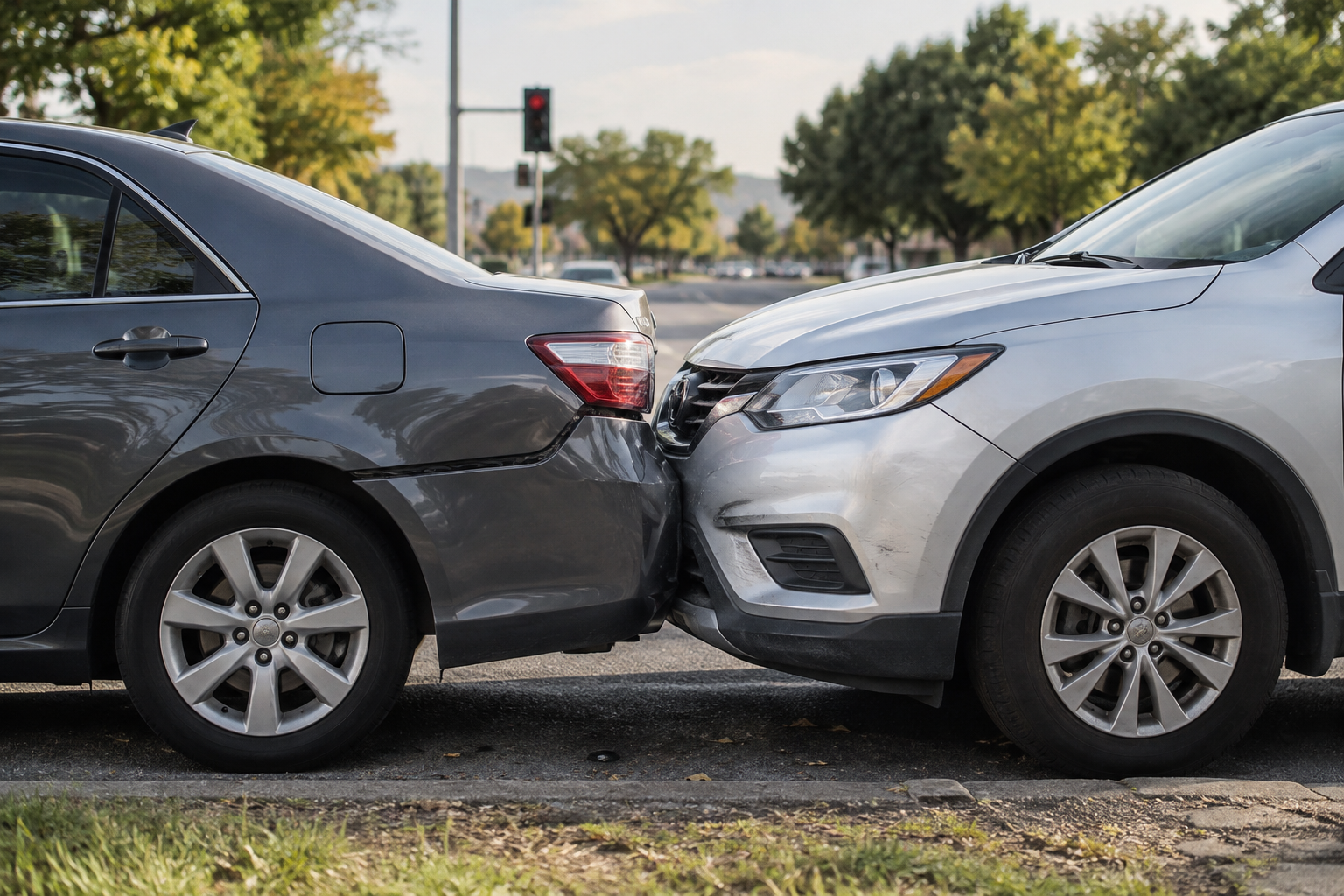
You were following the rules, and now you’re dealing with a damaged car, appointments, and calls you weren’t expecting. If you’re searching “car accident not my fault what to do,” start here: get somewhere safe, seek appropriate medical care, and preserve evidence of what happened. Then notify your insurer promptly, identify the coverage that may apply, and document your losses before considering any settlement.
Say you’re stopped at a light and get rear-ended on the way to work. Even when the cause seems obvious, the insurance company may still investigate fault, question expenses, or dispute how much it should pay. You don’t need every answer immediately, but a few organized steps can keep avoidable problems from piling up.
This guide provides general educational information, not legal advice. Laws, insurance requirements, and deadlines vary by state; speak with a licensed attorney about your circumstances. If you need help finding one, Free Case Evals can connect you with a participating attorney for a free evaluation. Free Case Evals is not a law firm.
1. What should you do at the scene when the crash wasn’t your fault?
Your first job is safety, not proving your case. Check whether anyone needs emergency assistance, call emergency services when appropriate, and follow dispatcher instructions. If you can safely move your vehicle out of active traffic, do so as local law and conditions allow. Don’t stand between vehicles or step into traffic for photographs.
Exchange information without arguing about blame. Collect the other driver’s name, contact information, insurance company, policy details, license plate, and vehicle description. If the driver is not the owner, request the owner’s information too. A photograph of an insurance card can prevent transcription errors, but it does not establish that coverage is active.
What should you tell the responding officer?
Describe what you personally saw and experienced. For example, explain that you were stopped at a red light when the impact occurred. Avoid guessing about the other driver’s speed, distraction, or intentions. If you don’t know an answer, say so.
Before leaving, when feasible:
- Ask for the incident or report number and instructions for obtaining the report.
- Get witnesses’ names and contact information with their permission.
- Record the exact location, time, weather, and road conditions.
- Confirm where your vehicle is being towed and how to contact the facility.
If police do not respond, ask the appropriate local agency whether you must submit a separate crash report. Reporting duties differ by state and can apply even when the other driver asks to handle things privately. Don’t let an informal payment promise replace necessary reporting or documentation.
2. What evidence helps show the other driver caused the accident?
Evidence is strongest when it shows the whole scene, not just a close-up of a dent. If it’s safe, photograph vehicle positions, damage to each vehicle, lane markings, traffic signals, debris, skid marks, and nearby landmarks. Take wide views and closer images so someone who wasn’t there can understand the layout.
Keep original files, including timestamps and other available metadata. Save an unedited backup rather than relying only on images compressed through messaging apps. Write a factual account while the details are fresh: your direction of travel, lane, signal status, and what happened immediately before impact.
Look for evidence that may disappear
Nearby businesses, homes, buses, or vehicles may have recorded the collision. Note camera locations and promptly ask how footage can be preserved. A business may not release a recording directly to you, and some systems overwrite footage quickly. An attorney can discuss preservation requests and lawful ways to obtain relevant records.
Other useful evidence may include:
- Dashcam footage from before and after the collision.
- Witness observations, kept separate from your own account.
- Messages from the other driver about the crash.
- Tow records and photographs taken before repairs begin.
- Roadwork signs, obstructed sightlines, or damaged traffic controls.
Obtain the police report when available and check basic facts. If it contains an error, ask the issuing agency about its correction or supplemental statement process. A report can support an insurance claim, but it does not always settle civil fault. Keep the underlying evidence even if the report appears favorable.
3. Should you get medical care if the other driver was clearly responsible?
Fault does not determine whether you need care. If you were hurt or have concerns after the collision, seek evaluation from a qualified medical provider. Use emergency services when circumstances call for them, and let medical professionals guide treatment decisions rather than an insurer or an online checklist.
Tell the provider when the crash happened, what you experienced, and how you feel now. Be accurate about relevant prior symptoms or injuries. Exaggeration can undermine credibility, but minimizing problems because you don’t want to complain can also leave an incomplete record.
Follow reasonable treatment recommendations, ask questions, and explain barriers such as transportation, cost, or work schedules. If you must miss an appointment, notify the office and discuss rescheduling. Insurers sometimes point to unexplained gaps in care when disputing whether treatment relates to a crash.
Keep medical records useful and organized
Create a folder for visit summaries, bills, prescriptions, referrals, receipts, and health insurance explanations of benefits. An explanation of benefits is not necessarily a bill; keeping both helps distinguish charges from payments and remaining balances.
A brief dated journal can document practical effects: needing help carrying groceries, missing a scheduled shift, or being unable to drive to appointments. Stick to honest observations rather than trying to diagnose yourself.
For more context, read why a medical check matters even when you initially feel fine. Don’t wait for the other driver’s insurer to accept responsibility before asking a provider about appropriate care or speaking with billing staff about available payment options.
4. Which insurance company should you contact after a not-at-fault crash?
Notify your own auto insurer promptly, even if you expect the other driver’s policy to pay. Your policy may require notice and cooperation, and your coverage may offer a way to address certain expenses before the other insurer finishes investigating. Ask what documents are required and whether any coverage-specific deadlines apply.
You can also open a claim with the other driver’s liability insurer. Keep separate claim numbers, adjuster names, phone numbers, and email addresses. Ask each company to identify which parts of the claim it is handling: property damage, injury, or both.
What coverage might help?
Depending on your state, policy, and circumstances:
- The other driver’s liability coverage may pay covered losses if responsibility is established, subject to policy limits.
- Collision coverage may address damage to your vehicle, usually subject to a deductible.
- Personal injury protection, or PIP, may cover eligible medical expenses and certain other losses without requiring proof of fault.
- Medical payments coverage may help with eligible medical bills under its terms.
- Uninsured or underinsured motorist coverage may apply if the responsible driver lacks sufficient insurance, subject to state law and policy conditions.
In no-fault states, injury claims often begin with your own PIP coverage; pursuing additional injury damages may require meeting a state-specific threshold. No-fault rules generally do not mean nobody caused the collision.
Ask for relevant policy provisions or written explanations rather than relying on vague assurances. If your insurer seeks reimbursement from the responsible party through subrogation, ask how that process may affect your deductible. Recovery is not guaranteed.
5. What should you say when an insurance adjuster calls?
An adjuster may sound reassuring while still evaluating whether the company owes payment and how much. Be courteous and factual. Confirm the person’s name, company, claim number, and role before discussing details, particularly if several insurers are involved.
You can provide basic information without guessing about facts you haven’t confirmed. If asked how you’re doing, describe what you know rather than offering an automatic “I’m fine.” If treatment is ongoing, say that your evaluation and care are still in progress.
Understand requests before agreeing
The other driver’s insurer may request a recorded statement, medical authorization, or documents. Your obligations to that insurer are not necessarily the same as your duties under your own policy. Before agreeing, ask:
- Is this required, and what is the basis for the request?
- What topics or records will it cover?
- Can you send the request in writing?
- What deadline applies, and why?
Do not assume you can refuse every request from your own insurer without consequences; policy cooperation requirements may apply. If a request is confusing or unusually broad, discuss it with a licensed attorney before responding.
Keep a call log and save emails and letters. After a significant conversation, send a short written confirmation of your understanding, especially about document requests or promised follow-up.
Our guide to handling insurance adjuster calls explains common communication pitfalls. Avoid posting speculation about the collision or your recovery online. Preserve existing relevant posts and messages rather than deleting material that could become evidence.
6. How do you document vehicle damage, missed work, and other losses?
A fair claim depends on more than showing the other driver made a mistake. You also need records connecting the crash to each loss. Start a simple spreadsheet with the date, expense or loss, amount, supporting document, and whether anyone has already paid it.
Vehicle repairs and transportation
Keep repair estimates, inspection reports, photographs, tow invoices, storage notices, and rental receipts. Storage charges can accumulate, so promptly ask the insurer and tow facility about inspection, release, and relocation procedures. Don’t leave the vehicle indefinitely while waiting for a fault decision.
Before authorizing major repairs or disposing of the vehicle, coordinate necessary inspections and evidence preservation. If the car is declared a total loss, request the valuation report and check its mileage, options, condition assumptions, and comparable vehicles. Ask how taxes, fees, loan balances, and any applicable gap coverage are handled. A vehicle’s value and its outstanding loan balance are not necessarily equal.
Income and out-of-pocket expenses
For lost earnings, gather pay stubs, schedules, employer verification, and relevant work restrictions from your provider. If you’re self-employed, invoices, canceled jobs, business records, and prior earnings may help establish a supported loss rather than an estimate without a basis.
Keep receipts for reasonable crash-related expenses such as appointment transportation and paid help with tasks you cannot perform. Whether these losses are recoverable depends on the circumstances and state law.
Pain, inconvenience, and disruption do not usually come with receipts. A factual record of activity limitations can help explain those effects where compensation is available. If you’re unsure what documentation matters, you can request a free review of your situation through Free Case Evals.
7. What if the insurer disputes fault or says you share blame?
An insurer’s initial fault decision is not necessarily the final answer. Ask for the specific reason in writing and identify the facts it relies on. A dispute about a lane change requires different evidence from a claim that you braked unexpectedly or entered against a signal.
Respond with relevant records, not just repeated statements that the crash wasn’t your fault. Witness information, traffic-camera footage, vehicle damage patterns, and scene photographs may address particular allegations. If the report leaves out a witness or misidentifies a lane, provide supporting information and pursue the appropriate correction process.
How shared-fault rules can affect compensation
States handle shared responsibility differently. Under comparative negligence rules, your recoverable damages may be reduced according to your share of fault; some states bar recovery once fault reaches a specified threshold. In a small number of jurisdictions, contributory negligence can prevent recovery when an injured person shares fault, subject to applicable exceptions.
These distinctions are a reason to seek state-specific guidance, not a reason to accept an unsupported accusation. Ask an attorney how the evidence and local rules fit your situation.
Also consider whether another responsible party needs investigation. A driver making a delivery or working at the time might raise questions about an employer’s responsibility or additional insurance. A vehicle defect or unsafe road condition presents different proof requirements. Such possibilities require supporting facts; merely identifying a business or public entity does not establish liability. Multiple vehicles or disputed employment status can make early evidence preservation especially valuable.
8. What deadlines and settlement risks should you watch for?
Several clocks may run at once. A statute of limitations sets the time for filing a lawsuit, while insurance policies can impose separate notice, proof-of-loss, or coverage requirements. Claims involving public entities may have special notice procedures and shorter deadlines. Exceptions can exist, but don’t assume one applies.
Find out which state’s rules govern your claim and calendar deadlines early. Continuing negotiations with an adjuster generally does not, by itself, stop the lawsuit filing deadline. A company’s statement that it is still investigating is not a substitute for protecting your rights.
Before accepting money, understand what you release
A settlement release can end your ability to seek additional payment for the claims it covers, even if later expenses arise. Before signing or accepting payment tied to a release, determine:
- Whether it resolves property damage only, injuries, or all claims.
- Which people, companies, and insurers are being released.
- Whether future treatment or earnings losses remain uncertain.
- Whether health plans, providers, or benefit programs have repayment claims.
- Whether settling could affect uninsured or underinsured motorist benefits.
An initial offer is not automatically unfair, but it should be evaluated against documented losses, unresolved needs, available coverage, and legal risks. Ask for clarification when the numbers or terms are unclear.
For an explanation of the process, see what happens at each stage of a car accident settlement. Timing varies, and no service can promise a particular recovery date or result. An attorney can help assess a proposed release before it becomes binding.
9. Request a free case evaluation for your next steps
You don’t have to organize a perfect claim file before asking questions. A useful starting packet includes the crash date and location, insurance correspondence, any report number, photographs, and a brief description of your injuries and current care. Bring any denial letter, settlement offer, release, or notice with a deadline to the attorney’s attention first.
During an evaluation, ask which coverage may apply, whether evidence needs immediate preservation, what deadlines require attention, and how disputed fault could affect your claim. You can also ask what additional records would help establish expenses or income loss.
Free Case Evals is a free service that connects people injured in motor vehicle accidents with participating attorneys for a free case evaluation. It is not a law firm and does not provide legal advice. An evaluation does not guarantee representation or compensation; if you consider hiring an attorney, ask about fees, costs, and the scope of representation.
If another driver caused your crash and you’re unsure how to respond to an insurer or protect your claim, request a free case evaluation. Speaking with a licensed attorney can help you understand your options under the laws that apply to you.
Frequently Asked Questions
Can I pursue a claim if I was a passenger in the car?
An injured passenger may have a claim against one or more responsible drivers, including the driver of the vehicle they occupied. Available coverage depends on the policies, relationships between the parties, and state law. A licensed attorney can evaluate possible sources of compensation.
Should I accept cash from the other driver at the scene?
An informal cash arrangement may not account for hidden vehicle damage or injury-related expenses. Signing a receipt or release could also affect later claims depending on its terms and state law. Consider getting legal guidance before agreeing that a payment resolves the accident.
Will my insurance premium increase even though I wasn’t at fault?
That depends on state law, your insurer, your policy, and your claims history. Some states restrict certain rate increases for not-at-fault accidents, but you should not assume the same rule applies everywhere. Ask your insurer how the claim may affect your premium or discounts.
What if the other driver refuses to give me insurance information?
Avoid confrontation and document the license plate, vehicle description, and other details you can safely obtain. Report the situation to the appropriate authorities and notify your insurer. A police report or lawful records request may help identify the driver and available coverage.
Can I still seek compensation if the other driver never received a ticket?
Yes, the absence of a traffic citation does not automatically prevent a civil injury claim. Traffic enforcement and civil responsibility involve different processes and standards. Evidence such as witness accounts, video, and scene photographs may still help establish fault.
This article is for general informational purposes only and is not legal or medical advice. Laws vary by state. Speak with a licensed attorney about your specific situation.
Hurt in a car accident?
Answer a few quick questions to see if you may qualify for a free case evaluation. No cost, no obligation.
Start My Free Case Evaluation