
Delayed Injury Symptoms After Car Accident: What to Do Days Later
Free Case Evals · October 6, 2026
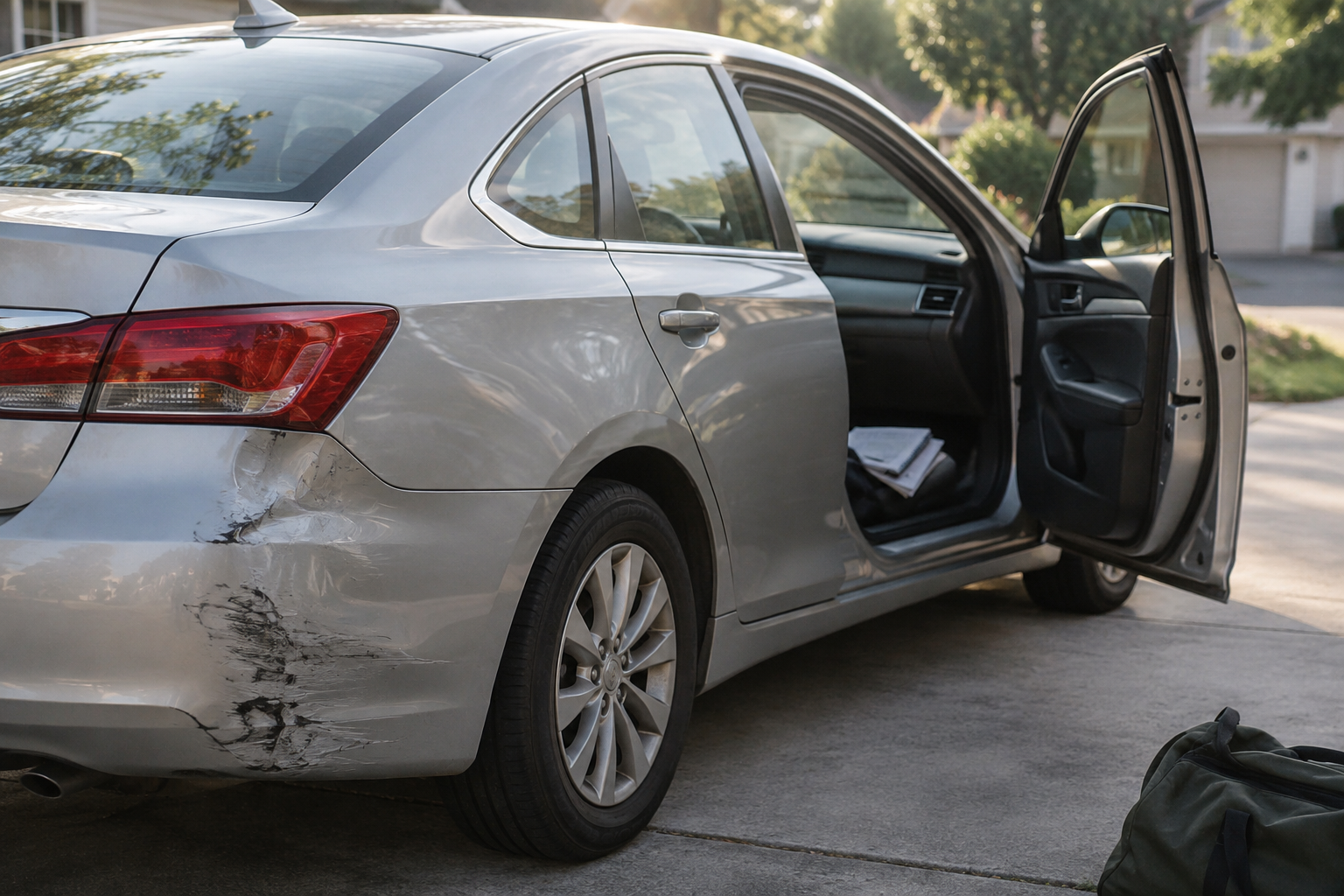
You get rear-ended on the way to work, exchange insurance information, and finish your day. By the next morning, turning your head hurts. Two days later, sitting at your desk becomes difficult. Searching for delayed injury symptoms after car accident is understandable when you felt okay at the scene but now know something has changed.
Yes, symptoms such as neck or back soreness, headaches, dizziness, stiffness, sleep changes, and trouble concentrating can appear or become noticeable days after a crash. The delay does not tell you whether an injury is minor or serious, so arrange an assessment with a qualified medical provider rather than diagnosing yourself. Severe or rapidly worsening symptoms require urgent attention.
You may also be wondering whether saying “I'm fine” at the scene has hurt your ability to seek compensation. It does not automatically rule out a claim. What matters now is getting appropriate care, creating an accurate timeline, and understanding the insurance and legal deadlines that may apply.
Why can injury symptoms appear days after a car accident?
During a collision, stress and adrenaline can make discomfort harder to notice. You may be focused on getting out of traffic, checking on passengers, or finding a ride. Some soreness and stiffness also become more apparent over time or when you return to ordinary activities.
For example, your back might feel manageable while you rest that evening but hurt when you lift a grocery bag the next day. A headache may become noticeable when you try to concentrate on a screen. These changes deserve attention, but they do not establish a diagnosis or prove what caused them.
A medical provider can consider the crash, your symptom history, prior health issues, and examination findings. Be specific about when you first noticed each symptom, rather than assuming everything started at the moment of impact.
Keep these distinctions clear:
- The crash date is not necessarily the date you first felt discomfort.
- A symptom becoming noticeable later is different from a symptom that started immediately and worsened.
- Limited visible vehicle damage does not, by itself, establish whether someone was injured.
- Feeling better for part of a day does not mean you should omit the difficult periods from your history.
Avoid guessing about the medical explanation. Your job is to describe what happened and what changed; a qualified provider's job is to assess your health.
What delayed symptoms should you watch for after a crash?
Pay attention to changes in how you feel and function, not just your pain level. You do not need to use medical terminology. “I couldn't look over my shoulder to merge” often communicates more than a vague statement that you felt bad.
Neck, shoulder, and back discomfort
Stiffness, soreness, reduced movement, or discomfort with sitting and standing may become noticeable after the initial disruption settles. Tell your provider whether discomfort stays in one place, travels elsewhere, or interferes with routine tasks. Mention new tingling or numbness promptly rather than treating it as ordinary soreness.
Headaches, dizziness, and concentration changes
Report a new headache, dizziness, sensitivity to light or noise, or difficulty following familiar tasks. Tell the provider whether you struck your head, but do not assume symptoms are irrelevant if you did not. Avoid driving if dizziness, slowed reactions, or difficulty concentrating make it unsafe.
Sleep, mood, and everyday functioning
You might sleep poorly, feel unusually tired, become anxious in traffic, or struggle to keep up with work. These experiences also belong in your medical history. Describe their frequency and practical effect without assigning yourself a diagnosis.
A useful note might say: “Woke twice because my shoulder hurt; needed help carrying laundry.” That is more informative than copying a symptom checklist. Record only what you actually experience, including improvements. Accurate documentation protects your credibility and helps your provider understand the course of your recovery.
When should you get medical help for delayed symptoms?
Do not wait for an insurance decision before seeking needed medical attention. If symptoms are new, persistent, or interfering with normal activities, contact a qualified medical provider promptly. Explain that you were recently involved in a collision and ask where and how soon you should be evaluated.
Some symptoms call for emergency care rather than a routine appointment. Examples include:
- A severe or worsening headache, especially with repeated vomiting or confusion.
- Fainting, a seizure, or difficulty staying awake.
- New weakness, trouble speaking, or difficulty walking.
- Chest pain, trouble breathing, or severe abdominal pain.
- New loss of bladder or bowel control, especially with back pain or weakness.
This is not an exhaustive list. If symptoms seem serious or rapidly worsen, call emergency services or seek emergency care. Do not drive yourself if you may be impaired.
What should you bring to the appointment?
Write down the crash date, when symptoms began, medications you take, and any relevant prior symptoms or treatment. Mention earlier injuries honestly, including whether you had recovered or were still receiving care.
Before leaving, ask what activities to avoid, what changes require urgent reassessment, and when to follow up. Request written work restrictions if your provider believes you need them. Follow the care plan, and contact the office if cost, transportation, or scheduling prevents you from doing so. A documented barrier is more useful than an unexplained gap.
How do you document symptoms that started days later?
Start a simple record as soon as you notice a change. You do not need a polished journal, and you should not backdate entries. If you are reconstructing earlier events, label them as your best recollection.
Keep your notes factual and brief. A daily entry can include:
- Which symptoms you noticed and when.
- Activities you could not do or had to modify.
- Appointments, provider instructions, and prescribed restrictions.
- Time missed from work and help needed at home.
- Improvements, setbacks, and relevant activities between them.
Save the original crash photographs, witness contact information, messages, and police report details separately. Photographs taken days later may also show bruising or other visible changes; preserve the originals and their dates without editing them.
Connect each expense to a record
Create a folder for visit summaries, itemized bills, pharmacy receipts, appointment travel, and insurance explanations of benefits. An explanation of benefits is not necessarily a bill, so keep both and check for discrepancies.
If an intake form incorrectly says you had no symptoms, ask the provider's office about its correction or addendum process. Do not ask anyone to change a medical opinion or create a history that did not occur.
For another practical checklist, read Delayed Symptoms After a Crash: Protect Your Health and Claim. If you need help understanding which records may matter legally, you can request a free evaluation of your situation through Free Case Evals.
Will an insurance company question delayed injury symptoms?
An insurer may ask why you did not seek treatment immediately, whether something else happened afterward, or whether the symptoms existed before the collision. Those questions concern causation: the connection between the crash and the losses you are claiming. A delay can create questions, but it does not automatically decide the claim.
Answer accurately without filling gaps with guesses. If you felt no pain at the scene and noticed it the next morning, say that. If you were already uncomfortable but delayed care because you lacked transportation, explain the actual sequence.
What if you said you were fine?
A roadside statement often reflects what you knew at that moment. Do not deny making it if you did. Explain when your condition changed and support that timeline with medical records and contemporaneous notes.
Similarly, disclose relevant prior problems. A collision may aggravate a preexisting condition, although the legal rules and proof requirements vary by state. Records showing your condition before and after the crash can help distinguish new limitations from old ones.
Be careful with recorded statements and broad medical authorizations. Ask what information is requested, why it is needed, and whether a narrower authorization is appropriate. Obligations to your own insurer can differ from requests made by another driver's insurer. A licensed attorney can explain those differences before you respond.
Keep copies of your communications. Avoid exaggeration, speculation about fault, or confident predictions about when you will recover.
What insurance or responsible parties may pay for your losses?
The available payment sources depend on fault, policy terms, state law, and the circumstances of the collision. Medical bills may come due before a liability claim is resolved, so ask about available coverage early rather than assuming the other driver's insurer will pay each bill as it arrives.
Possible sources include:
- The responsible driver's liability insurance: This may compensate covered losses when liability and damages are established, subject to policy limits.
- Personal injury protection, or PIP: In states and policies where it applies, this may cover certain medical expenses and other eligible losses regardless of fault. Benefits and requirements vary.
- Medical payments coverage, or MedPay: If available, this may help with covered medical expenses under the policy's terms.
- Uninsured/underinsured motorist coverage: Depending on the policy and state, this may apply when a responsible driver has no insurance or insufficient coverage.
- Health insurance: Your plan may cover treatment under its terms, with possible reimbursement or coordination issues if you later recover compensation.
Other parties may be relevant if the driver was working, operating a commercial vehicle, or transporting passengers through an app. Preserve details about the vehicle, employer, trip, and driver's activity; responsibility is not established merely by a company name on a vehicle.
Ask each insurer for the applicable claim number, submission process, and deadlines in writing. Track who paid each bill. Multiple coverages can interact, and reimbursement obligations may affect what you ultimately retain.
What losses can you document when symptoms disrupt your routine?
A fair claim evaluation looks beyond the first medical bill. Depending on applicable law and the evidence, losses may include reasonable medical expenses, lost income, reduced earning ability, and non-economic harm such as pain and limitations in daily life. Not every expense or inconvenience is compensable.
Medical costs and future care
Keep itemized bills and proof of payments, including out-of-pocket costs. If future treatment is being considered, rely on your provider's recommendations rather than your own estimate. Ask whether referrals, restrictions, and follow-up plans appear in your records.
Missed work and reduced earnings
Save pay records, attendance records, and written confirmation of missed shifts or reduced hours. If your provider restricts lifting or driving, keep that document alongside your employer's explanation of why modified duties were unavailable.
For self-employment, preserve invoices, canceled appointments, contracts, and comparable business records. Lost revenue is not always the same as lost income; documentation should show the actual financial effect rather than an unsupported total.
Help at home and lost activities
Record necessary paid help with tasks you previously handled, and keep receipts. Describe changes to caregiving, household responsibilities, hobbies, or sleep in concrete terms. Whether replacement services or other losses are recoverable depends on the circumstances and state law.
For more context, see What Determines Your Car Accident Claim’s Value?. You can also connect with a participating attorney for a free case evaluation to discuss which losses may be relevant, without assuming any particular settlement amount.
What deadlines and settlement mistakes should you watch for?
Delayed symptoms do not necessarily delay the legal clock. A statute of limitations sets the time allowed to file a lawsuit, and its starting point and exceptions depend on state law and the claim. Insurance notice requirements, benefit applications, and claims involving government entities may have separate, shorter deadlines.
Do not assume that reporting the accident or negotiating with an adjuster preserves your right to sue. Ask a licensed attorney to identify the deadlines that apply to your circumstances. Give them the collision date and any information suggesting a government vehicle, work-related trip, or unidentified driver was involved.
Be cautious about signing a release too soon
An early settlement may arrive before you know whether you need further care or work restrictions. A bodily injury release generally ends the claims described in it, even if your symptoms later worsen. Read the document and clarify whether it resolves property damage, injury claims, or both.
If an offer has a response deadline, request its terms in writing and ask for time to review it. Do not ignore correspondence or assume an extension has been granted.
Fault rules matter too. Comparative negligence can reduce recovery based on your share of fault, while contributory negligence rules in some jurisdictions can bar recovery in certain circumstances. Neither an insurer's fault assessment nor its first offer is necessarily the final word. State-specific legal guidance can help you understand your options without promising a result.
Request a free case evaluation for delayed crash symptoms
If symptoms appeared after you thought the crash was behind you, you do not need to have a complete medical file before asking about your legal options. Start with the collision date, a short symptom timeline, insurance information, and any bills or correspondence you already have. Continue seeking appropriate medical care while you gather records.
Useful questions for an attorney include: Which coverage should I notify? What deadlines apply? How could my prior medical history affect the claim? What should I understand before signing the insurer's release? Ask about representation costs and the terms of any agreement separately from the free evaluation.
Request a free case evaluation through Free Case Evals. Free Case Evals is not a law firm; it is a free service that connects people injured in motor vehicle accidents with participating attorneys for a free case evaluation. An evaluation does not guarantee representation or compensation.
This article provides general educational information, not medical or legal advice. Laws vary by state. Speak with a qualified medical provider about your symptoms and a licensed attorney about your specific legal rights.
Frequently Asked Questions
Can passengers seek compensation for symptoms that appear days after a crash?
Passengers may have claims involving one or more responsible drivers and may also have access to applicable medical benefits. The available coverage depends on the policies, household relationships, and state law, so a passenger should not assume the driver's claim covers their own losses.
What if delayed symptoms develop while I am traveling out of state?
Seek appropriate medical care where you are rather than waiting to return home if symptoms need attention. Keep records from each provider and tell your regular provider about the evaluation. An attorney can assess which state's laws may govern the accident claim.
Should I delete social media posts made after the accident?
Do not delete or alter potentially relevant posts, photographs, or messages; preservation obligations may apply. A photograph may lack context about your limitations, but changing the record can create additional issues. Ask a licensed attorney how to preserve and handle relevant online material.
What if I already settled the vehicle damage before symptoms appeared?
A property-damage settlement does not always resolve bodily injury claims, but the wording of the release matters. Keep the signed documents and have a licensed attorney review exactly what was released before assuming an injury claim is still available.
Can I seek an evaluation if I do not have the police report yet?
Yes, you can request a case evaluation with the information you currently have. Provide the crash date, location, parties involved, and any report number, then add the report when it becomes available. Do not postpone needed medical care while waiting for it.
This article is for general informational purposes only and is not legal or medical advice. Laws vary by state. Speak with a licensed attorney about your specific situation.
Hurt in a car accident?
Answer a few quick questions to see if you may qualify for a free case evaluation. No cost, no obligation.
Start My Free Case Evaluation