
Hit and Run Accident What to Do: Protect Yourself and Your Claim
Free Case Evals · October 2, 2026
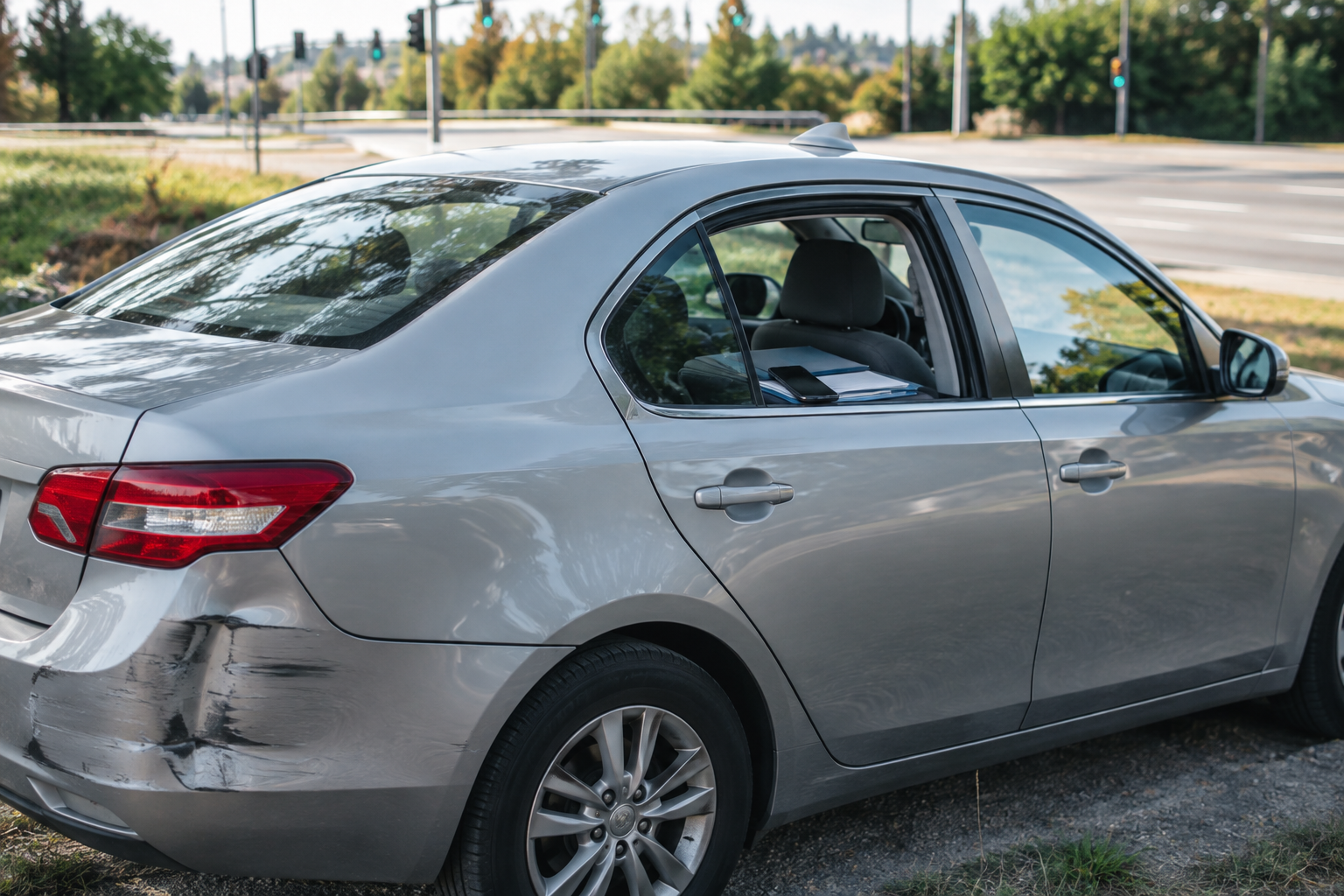
The other vehicle disappears, and you are left trying to make sense of what happened. If you are searching for “hit and run accident what to do,” start with this: get somewhere safe, call for help, and preserve what you can without putting yourself at risk. You do not need to identify the fleeing driver before asking for assistance.
Say you are stopped at a light and get rear-ended on your way to work. By the time you look up, the driver is turning onto another street. Even without a complete license plate, your observations, nearby cameras, and insurance policy may provide useful paths forward.
This guide explains practical steps after a hit-and-run, including how uninsured motorist coverage may apply. It provides general educational information, not legal advice. Laws and insurance requirements vary by state; speak with a licensed attorney about your circumstances.
1. After a Hit-and-Run Accident, Put Safety First
Do not chase the fleeing vehicle
Following the other driver can expose you to another collision or a confrontation. It can also take you away from witnesses and evidence at the original scene. Stay focused on your location, passengers, and immediate safety.
If you can observe the vehicle safely, note its direction of travel, color, approximate size, and any distinctive feature. A damaged taillight or partial plate may be useful. Do not handle your phone while driving to record it.
Call for help and describe the location clearly
Call 911 if anyone may be injured, traffic is endangered, or there is another immediate emergency. Otherwise, contact the local police nonemergency line and ask how to report the hit-and-run. Follow dispatcher instructions.
Give responders practical location details:
- The street, nearest intersection, and direction you were traveling.
- Whether you are on the roadway, shoulder, or in a parking lot.
- Whether anyone needs medical assistance.
- Whether the vehicle is blocking traffic or appears unsafe.
- The direction the other driver went.
If it is safe and consistent with local requirements, move a drivable vehicle out of active traffic. Photograph its original position only if doing so does not delay getting to safety. Never stand in a travel lane to collect evidence.
Arrange medical evaluation and safe transportation
See a qualified medical provider if you are injured or have concerns after the crash. Tell the provider when the collision occurred and describe what you are experiencing accurately. Follow the care instructions you receive and keep the visit paperwork.
Do not drive a vehicle with damaged tires, leaking fluids, loose parts, or questionable steering. Ask responders about towing arrangements. Keep the tow receipt and confirm where the vehicle is being taken before leaving the scene.
2. Preserve Hit-and-Run Evidence Before It Disappears
You do not need to conduct an investigation yourself. Your goal is to save observations and records that could otherwise be lost. Gather what is reasonably available, then let police and other appropriate professionals handle follow-up.
Write down what you remember
As soon as you are safe, record the time and sequence of events. Separate what you actually saw from what you suspect. If you remember only part of a plate, write that part rather than guessing the rest.
Useful details include:
- Vehicle make or body style, color, and approximate age.
- Full or partial plate number and plate state, if visible.
- Stickers, unusual wheels, roof racks, or visible damage.
- Which lane the vehicle occupied and how contact occurred.
- Whether the vehicle stopped briefly before leaving.
A quick voice memo can help preserve details while they are fresh. If a passenger remembers something different, have them make their own notes instead of blending both accounts into one.
Photograph more than the dent
Take wide photos showing the roadway, signs, signals, lane markings, and the area around your vehicle. Then capture vehicle damage from several angles, including any paint transfer or debris, without handling anything unsafe.
Keep original files. Avoid applying filters, cropping away context, or posting your evidence publicly. Preserve dashcam footage promptly because some devices automatically overwrite older recordings.
Ask about witnesses and nearby cameras
Get willing witnesses’ names and contact information. Ask whether they saw the collision, the fleeing vehicle, or a plate number. Do not coach their account or ask them to agree with yours.
A nearby store, residence, bus, or parking facility may have recorded something. Note camera locations and ask the owner to preserve footage from the relevant time. They may require a police request or legal process before releasing it; preservation does not guarantee access.
For a broader scene checklist, see what to do during the first hours after a car accident.
3. Report the Hit-and-Run and Build a Clear Record
Make a police report even with limited information
Do not assume a report is pointless because you missed the plate. Provide the facts you have and explain that the other driver left. Police reporting can document the incident and may be required under your insurance policy or state law.
Ask for the incident number, the responding agency’s contact information, and instructions for getting a report copy. If officers do not come to the scene, ask whether you should report online, by phone, or at a station. Save your submission confirmation.
Reporting deadlines can be short. A police report, a state crash report, and notice to your insurer may be separate requirements. Completing one does not necessarily satisfy the others.
Review the report for factual errors
When the report becomes available, check names, vehicle details, location, and the basic event description. If something is wrong or missing, ask the agency about its correction or supplemental-report procedure.
Keep your request factual. For example, identify an incorrect direction of travel and provide the supporting photograph or note. You may not be able to change an officer’s conclusions, but you can ask how to submit additional information.
Keep one organized crash file
Use a folder on your phone or computer, plus a place for paper receipts. Include:
- Police report information and witness contacts.
- Original photos, videos, and written recollections.
- Medical visit records and bills you receive.
- Towing, storage, transportation, and repair documents.
- Insurance letters, claim numbers, and contact notes.
- Records of missed work and related employer communications.
Date each entry and record who said what during calls. Organization helps you answer questions consistently without relying on memory. If you are unsure which issues need legal review, you can explore a free case evaluation through Free Case Evals, a service that connects injured people with participating attorneys.
4. Check Uninsured Motorist Coverage After a Hit-and-Run
Not finding the driver does not automatically mean you have no insurance options. Your own policy may provide coverage, but the available benefits depend on the policy language, state law, and facts of the crash.
How uninsured motorist bodily injury coverage may apply
Uninsured motorist bodily injury coverage, often called UM or UMBI, may apply when an uninsured driver causes your injuries. Depending on state law and the policy, an unidentified hit-and-run driver may qualify as an uninsured motorist.
Covered losses may include medical expenses, lost income, and other injury-related damages, subject to applicable rules and limits. Coverage is not automatic simply because a driver left. You may still need to establish how the crash happened, the other driver’s responsibility, and your losses.
Ask your insurer for the declarations page and complete policy, including endorsements. The declarations page summarizes coverages and limits; it usually does not contain every exclusion or reporting condition.
Physical-contact and corroboration rules can matter
Some policies or state rules require physical contact for certain unidentified-vehicle claims. Others may allow a no-contact claim with independent supporting evidence. These distinctions matter when a driver forces you off the road without striking your car.
For example, if another vehicle cuts into your lane and you hit a guardrail, a witness or dashcam recording may become especially significant. Do not assume that this type of crash is covered or excluded without reviewing the applicable rules.
Ask these questions directly:
- Does my UM coverage include an unidentified hit-and-run driver?
- Is physical contact required in my situation?
- What supporting evidence is required if there was no contact?
- What are the police-report and insurance-notice deadlines?
- Is there a separate sworn statement or claim form?
Vehicle damage may use a different coverage
Uninsured motorist property damage, or UMPD, is separate from bodily injury coverage. It is not available everywhere, and some policies restrict coverage when the at-fault driver cannot be identified. A deductible may apply.
Collision coverage may pay for covered damage to your vehicle after a hit-and-run, generally subject to your deductible. Having UM bodily injury coverage does not necessarily mean your vehicle repairs are covered under UM.
Personal injury protection or medical payments coverage may help with certain medical expenses regardless of fault, depending on the policy and state. Ask how these benefits interact, rather than assuming one claim replaces another. A licensed attorney can help explain disputed coverage terms.
5. Notify Your Insurer Without Guessing or Rushing
Open the claim promptly
Contact your insurer as soon as reasonably possible. State that you are reporting a hit-and-run, describe the known facts, and provide the police incident number if available. If you do not have the report yet, ask how to submit it later rather than delaying notice.
Be accurate about uncertainty. Saying you could not see the other vehicle’s plate is better than offering a guess. Likewise, do not declare that you are uninjured simply because you have not yet had a medical evaluation. Explain what you know at that time.
Request the claim number and adjuster’s contact information. Ask which coverages are being considered and whether separate adjusters will handle vehicle damage and injury-related benefits.
Ask for requirements in writing
Insurance claims often involve forms, interviews, inspections, and requests for records. Ask for a written list of required documents and applicable deadlines. Keep copies of everything you submit and confirmation that it was received.
Before a recorded statement, ask its purpose and whether it is required under your policy. Your own policy may impose cooperation duties, so do not simply ignore requests. If you have concerns, consult a licensed attorney promptly about how to meet your obligations.
Read medical authorizations before signing and ask what records are being requested. Do not alter or withhold relevant evidence, but seek clarification about requests you do not understand.
Do not assume the first coverage answer is final
If an adjuster says a benefit is unavailable, request the explanation in writing, including the policy provision involved. Sometimes the disagreement concerns missing documentation; sometimes it involves how a rule applies.
Keep denial letters and envelopes or electronic delivery records. Review and appeal deadlines may apply. You can request a review of your situation to discuss potential next steps with a participating attorney, without assuming a denial can necessarily be reversed.
6. Track Expenses and Avoid Preventable Claim Problems
Document everyday disruption accurately
Keep receipts for reasonable crash-related expenses, including towing and transportation. Save medical bills and benefit statements so you can distinguish billed charges, insurance payments, and amounts you may owe.
For missed work, retain schedules, pay records, and employer verification when available. If you are self-employed, preserve canceled appointments, invoices, and other records that support the actual income impact. Avoid estimating losses without explaining the basis.
A brief dated journal can help track appointments, missed activities, and changes in your daily routine. Stick to concrete observations rather than dramatic descriptions. Tell your medical provider about your concerns; a journal is not a substitute for medical care.
Address repairs and storage promptly
Ask the insurer whether it needs to inspect your vehicle before repairs begin. Preserve photos and estimates, and ask the repair shop to document damage. Do not delay necessary safety measures merely to preserve a damaged vehicle unchanged.
If your car is in a tow yard, find out whether daily storage charges are accumulating. Ask the insurer and yard about moving it to a less costly location without disrupting the inspection. Keep written confirmation of arrangements.
Be careful with releases and public posts
Before accepting a payment or signing a release, confirm which claim it resolves. A vehicle-damage payment and an injury settlement may have different terms. Do not assume a document only covers repairs because that was the last topic discussed.
Avoid posting crash details, speculation, or insurance correspondence on social media. Do not delete potentially relevant existing material; ask an attorney about preserving it. If the collision involved a rear impact, this guide to rear-end collision claims explains additional evidence considerations.
7. If the Driver Is Found, Recheck Your Options
Police may identify the vehicle later through a witness, camera recording, or other evidence. Send new information to your insurer and keep a copy. Do not confront the suspected driver or try to negotiate privately before understanding the implications.
Identifying a vehicle does not by itself establish who was driving, fault, or available insurance. Ask whether an updated report is available and whether the insurer needs additional documentation.
If liability coverage is confirmed, a claim against that policy may become possible. If available liability limits are insufficient, underinsured motorist coverage may be relevant under your policy and state law. That is distinct from assuming every hit-and-run falls under UM.
Before settling with another insurer, check whether your own policy requires notice or consent to protect potential UM or underinsured motorist benefits. Reimbursement rights and coordination between coverages may also affect the claim. A police investigation does not necessarily pause insurance or lawsuit deadlines; ask a licensed attorney which dates apply.
8. Request a Free Case Evaluation After a Hit-and-Run
You do not need every document before asking about your options. Gather what you have: the crash date and location, police incident number, insurance declarations page, photos, and any letters from adjusters. Make a short list of immediate concerns, such as a coverage denial, approaching deadline, or mounting storage charges.
Free Case Evals is not a law firm and does not provide legal advice. It is a free service that connects people injured in motor vehicle accidents with participating attorneys for a free case evaluation.
During an evaluation, ask about unidentified-driver requirements, available insurance coverage, and deadlines in your state. Also ask about any fees or costs that would apply if you later choose to hire an attorney; a free evaluation is not a promise of free representation or a particular result.
When you are ready, request your free case evaluation to discuss your circumstances with a participating attorney.
Frequently Asked Questions
Can a passenger make a claim after a hit-and-run?
A passenger may have options through coverage on the occupied vehicle, their own policy, or another applicable policy. Eligibility depends on policy definitions and state law, so ask which policies may cover you rather than assuming only the driver's insurance matters.
What should I do if someone hits my parked car and leaves?
Photograph the damage and surrounding area, look for a note, and ask nearby businesses to preserve relevant camera footage. Report the incident to police as required and notify your insurer promptly. Collision coverage may help with repairs, while uninsured motorist property damage rules vary.
Will reporting a hit-and-run increase my insurance premium?
There is no universal answer because rating rules, state protections, claim history, and insurer practices differ. Ask your insurer how the claim may be classified and whether state rules restrict surcharges for accidents in which you were not at fault.
Can I pursue a hit-and-run claim if I was walking or riding a bicycle?
Potentially, yes. Certain auto policies may extend uninsured motorist protection to insured people injured as pedestrians or cyclists, depending on the terms and state law. A licensed attorney can help identify potentially applicable coverage.
What if I already paid for repairs before contacting my insurer?
Notify your insurer and preserve all estimates, invoices, payment records, and photographs taken before repairs. The lack of a pre-repair inspection may complicate evaluation, but it does not establish the outcome by itself. Ask what additional documentation is needed.
This article is for general informational purposes only and is not legal or medical advice. Laws vary by state. Speak with a licensed attorney about your specific situation.
Hurt in a car accident?
Answer a few quick questions to see if you may qualify for a free case evaluation. No cost, no obligation.
Start My Free Case Evaluation