
What to Do After a Car Accident: A Checklist for the First Hours and Days
Free Case Evals · October 2, 2026
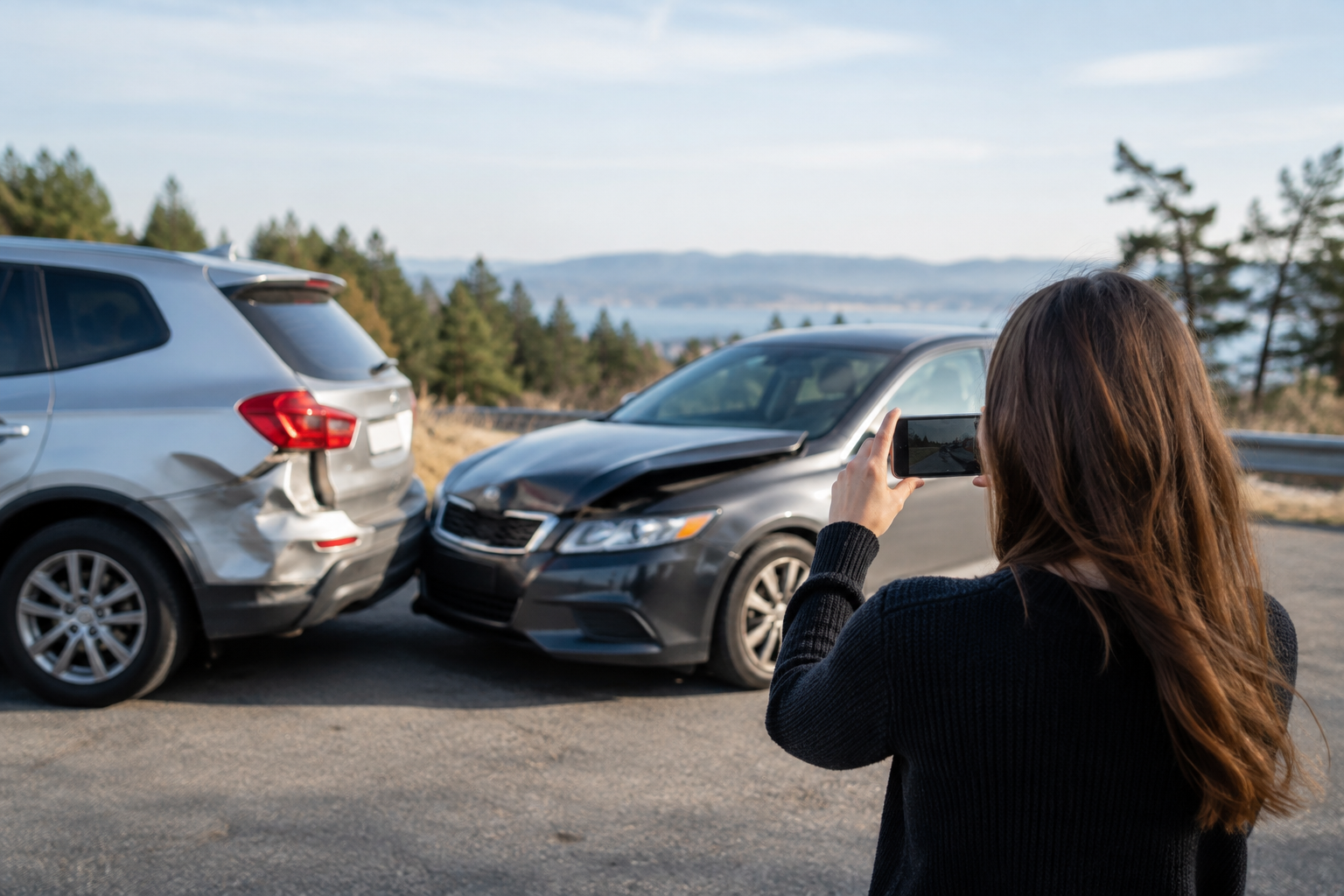
A car accident can turn an ordinary drive into a confusing sequence of decisions. Knowing what to do after a car accident can help you focus on immediate safety, collect useful information, and stay organized when insurers begin asking questions.
You do not have to solve everything at the roadside. Start with urgent needs, then work through the follow-up tasks as circumstances allow. Never put yourself or someone else at risk to take a photo, retrieve an item, or complete a checklist.
This guide provides general educational information, not legal or medical advice. Laws vary by state, insurance policies differ, and your circumstances matter. Speak with a licensed attorney about legal questions and a qualified medical provider about your health.
1. Immediately After a Car Accident: Prioritize Safety
Check for emergencies first
Check yourself, your passengers, and others if you can do so safely. Call 911 when anyone may be injured, there is a fire or other immediate danger, or the crash creates a traffic hazard. Give the dispatcher your location, nearby landmarks, and a clear description of what you can observe.
Follow emergency instructions. Do not attempt to move an injured person unless there is an immediate danger or emergency personnel direct you to do so.
Decide where it is safe to wait
If the vehicle is operable, moving it out of active traffic may be appropriate when safe and permitted by local law. Turn on hazard lights if they work. Do not stand between vehicles or walk into traffic to inspect damage.
Whether it is safer to remain inside or exit depends on the location and hazards. Follow dispatcher or responder directions rather than assuming one option is always best.
Before leaving the scene, make sure you have met applicable requirements for stopping, exchanging information, and reporting the collision. Those requirements vary by state.
2. At the Scene: Exchange Information and Document the Crash
Once immediate safety needs are addressed, gather basic facts. If you are unable to do this, a passenger may be able to help without putting themselves at risk.
Information to exchange
Collect, as appropriate:
- Each driver's name and contact information.
- Insurance company and policy information.
- Vehicle make, model, color, and license plate number.
- The vehicle owner's information if different from the driver's.
- Names and contact details of willing witnesses.
- The responding agency and incident or report number.
Keep the conversation calm and factual. Describe what you observed without guessing about speed, distance, or who legally caused the collision. Avoid arguments and roadside negotiations about payment.
Photos and notes to save
From a safe position, photograph vehicle damage, the overall scene, road conditions, traffic controls, and relevant debris or markings. Capture both wide views and close-ups when practical. Do not delay emergency care or enter traffic for a better angle.
Write a brief account while your memory is fresh: the direction you were traveling, the sequence of events, weather, visibility, and anything you are uncertain about. Preserve original photos and video, including available dashcam footage, without editing or deleting relevant material.
3. In the First Hours: See a Qualified Medical Provider
Your health takes priority over paperwork. If emergency assistance is needed, call 911. Otherwise, seek guidance from a qualified medical provider about appropriate evaluation, especially if you notice discomfort or changes in how you feel after the crash.
Do not use the amount of vehicle damage as a substitute for a medical assessment. Tell the provider when the collision happened, what you experienced, and any relevant health history. Be accurate rather than exaggerating or minimizing your concerns.
Keep track of:
- Appointment dates and provider contact information.
- Visit summaries and discharge instructions.
- Referrals and recommended follow-up visits.
- Bills, receipts, and transportation expenses related to care.
- Any work or activity instructions given by your provider.
Follow your provider's recommendations and contact their office if you have questions or difficulties accessing care. Medical decisions should be based on your needs, not on an expected insurance outcome.
If you were injured and have questions about the legal side of the crash, you can explore a free case evaluation while continuing to prioritize your care.
4. The Same Day: Report the Accident and Locate the Crash Report
A call to emergency services and an insurance claim serve different purposes. Some crashes also require a separate report to a state or local agency, even when officers do not respond. Reporting rules and deadlines vary by location and circumstances.
Ask the responding agency how to obtain the crash report and when it may become available. If no officer comes to the scene, check official state or local guidance about reporting requirements. Do not assume that the other driver will handle this for you.
When the report becomes available, review basic details such as names, vehicles, location, and date. If you notice an apparent factual error, ask the agency about its correction or supplemental statement process. A police report can be useful documentation, but it does not necessarily determine insurance coverage or legal responsibility.
If your vehicle was towed, confirm its location and ask about storage charges, release procedures, and access to personal belongings. Save towing paperwork and clarify next steps promptly so avoidable storage expenses do not accumulate.
5. Within the First Day: Notify Insurance and Handle Calls Carefully
Review your policy and notify your insurer promptly. Policy notice and cooperation requirements vary, so ask what information is needed and whether any deadlines apply. Save your claim number and the assigned representative's contact details.
Give accurate information without guessing
Explain the facts you know. If you do not remember something, say so. Avoid treating an early estimate of damage, expenses, or your recovery as a final account.
Useful questions for your insurer include:
- What coverage may apply to this collision?
- Is an inspection needed before repairs begin?
- What are the procedures for towing or rental transportation?
- Where should I send photographs, estimates, and receipts?
- Are there forms or deadlines I should track?
Coverage depends on the policy and circumstances; asking these questions does not mean a particular expense will be covered.
Understand requests before agreeing
You may also hear from another driver's insurer. Confirm who the representative works for and what they are requesting. Obligations to your own insurer may differ from obligations to someone else's insurer.
Before signing a release, authorizing broad access to records, accepting payment with release terms, or giving a recorded statement you do not understand, consider speaking with a licensed attorney. Do not simply ignore requests from your own insurer. If you need help understanding the situation, you can request a free review of your accident circumstances.
6. Over the Next Few Days: Organize Records and Expenses
Create a single folder, either digital or physical, for accident-related materials. A simple timeline can help you answer questions consistently without relying entirely on memory.
Save:
- Scene photographs, video, and witness contact information.
- The crash report and reporting confirmations.
- Insurance letters, emails, forms, and claim numbers.
- Repair estimates, inspection records, and towing receipts.
- Medical paperwork and related bills.
- Documentation of missed work and relevant employer communications.
Keep a communication log showing the date, person, organization, and substance of each important conversation. After a call, note any documents requested or next steps discussed. Keep copies of what you submit and confirmation of delivery when available.
Document expenses as they occur, but do not assume every cost will be reimbursed. Preserve relevant messages and social media material. Avoid public speculation about fault, injuries, or insurance discussions, and do not delete potentially relevant posts or files.
Before repairs, disposal, or salvage of the vehicle, ask about inspection needs. An attorney can explain whether additional evidence preservation steps may matter in your circumstances.
7. During the First Week: Track Deadlines and Unresolved Questions
There is no single deadline that applies to every accident-related task. Insurance notice requirements, government reporting rules, and deadlines for bringing legal claims are different. Some matters, including those involving government entities, may have special notice requirements.
Do not assume that opening an insurance claim pauses a legal deadline. Laws vary by state, and a licensed attorney can explain which rules may apply.
Make a short list of unresolved issues, such as:
- The other driver's insurance information is missing or disputed.
- Multiple vehicles or a commercial vehicle were involved.
- The insurer has denied coverage or requested an unfamiliar document.
- Expenses or missed work are continuing.
- Someone has asked you to sign a settlement release.
You do not need to determine legal fault before asking questions. Getting an explanation of the process can help you understand what information is still needed and what decisions deserve closer attention.
8. Request a Free Case Evaluation After a Car Accident
Once immediate safety and medical needs are addressed, a conversation with a licensed attorney can help clarify your questions about insurance, documentation, and applicable deadlines. Gather whatever records you have, but do not delay asking questions simply because your file is incomplete.
Free Case Evals is not a law firm. It is a free service that connects people injured in motor vehicle accidents with participating attorneys for a free case evaluation. An evaluation does not guarantee representation or any particular outcome.
If you were injured in a crash, get a free case evaluation to discuss your circumstances with a participating attorney. You can ask about potential next steps, state-specific rules, and what additional information may be useful.
Frequently Asked Questions
What if the other driver offers to pay without involving insurance?
An informal payment arrangement may not account for damage or expenses discovered later. Your insurance policy may still require notice of the collision. Before signing an agreement or release, speak with a licensed attorney about its potential effect.
What should I do if I hit an unattended parked car?
Stop safely and check official local requirements for notifying the owner and reporting the collision. Depending on state law, leaving a note alone may not satisfy all requirements. Document the scene and contact the appropriate nonemergency agency if you need reporting guidance.
Can passengers request a case evaluation after a car accident?
An injured passenger can request an evaluation to discuss the circumstances of the crash. Potential claims and available coverage depend on the facts, applicable policies, and state law. A licensed attorney can explain how those factors may apply.
What if I did not take any photographs at the accident scene?
Missing scene photos does not necessarily prevent you from exploring a claim. Other information may include witness accounts, crash reports, repair records, and available video. Preserve what you have and ask a licensed attorney whether other evidence may be obtainable.
Does a free case evaluation mean an attorney will represent me?
No. An evaluation is an opportunity to discuss your circumstances, not a guarantee of representation. Free Case Evals is not a law firm; any representation agreement and potential fees should be discussed directly with the participating attorney.
This article is for general informational purposes only and is not legal or medical advice. Laws vary by state. Speak with a licensed attorney about your specific situation.
Hurt in a car accident?
Answer a few quick questions to see if you may qualify for a free case evaluation. No cost, no obligation.
Start My Free Case Evaluation