
Hit by a Drunk Driver Compensation: What Losses May Be Covered?
Free Case Evals · October 31, 2026
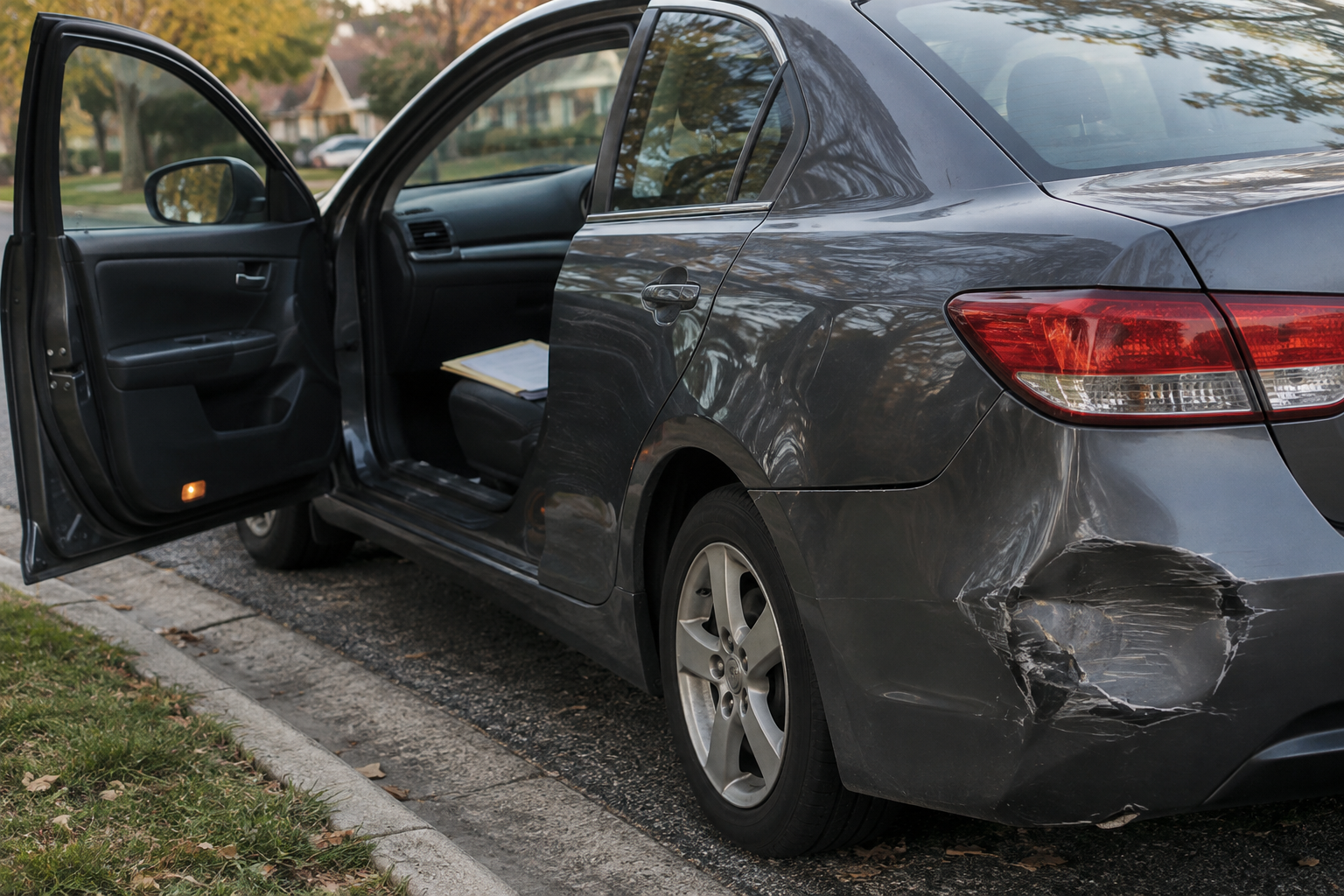
If you’re looking for information about hit by a drunk driver compensation, you may be able to recover medical expenses, lost income, vehicle damage, and compensation for pain and suffering. Some cases also allow punitive damages, but impairment does not guarantee a payout or determine its size. Your injuries, evidence, available insurance, and state law all matter.
You may be facing these questions while arranging rides, missing work, and trying to get treatment. You do not need to put a price on everything immediately. Start by understanding the losses you can document and the potential sources of payment. For the broader valuation framework, see our guide to what determines a car accident claim’s worth.
This article focuses on compensation after an alcohol- or drug-impaired driving crash. It provides general educational information, not legal advice. Laws vary by state, so speak with a licensed attorney about your circumstances.
What Compensation Can I Get After Being Hit by a Drunk Driver?
A compensation claim usually begins with compensatory damages: money intended to address the harm the crash caused. These fall into two broad categories—financial losses and personal losses that do not come with a receipt.
Financial losses: expenses and income you can document
Depending on your circumstances, recoverable losses may include:
- Emergency care, follow-up appointments, prescriptions, and rehabilitation.
- Future medical care supported by medical evidence.
- Wages lost while you could not work or attended necessary treatment.
- Reduced future earning ability when injuries affect your ability to earn a living.
- Repair or replacement of your damaged vehicle and other personal property.
- Other reasonable, crash-related expenses recognized under applicable law.
Keep both the bill and any record showing what was paid. A charge, an insurance payment, and your remaining balance tell different parts of the story. Separating them helps avoid an inaccurate expense total.
Personal losses: how the crash changed daily life
Pain and suffering may account for physical discomfort, emotional distress, and reduced enjoyment of everyday activities. As the DeMayo insurance overview explains, injury claims can include both financial losses and these less easily measured effects.
For example, you may return to your job but still struggle to sleep, drive comfortably, or handle household tasks. Those limitations deserve documentation even when they do not create a new bill. Write down specific changes rather than relying on broad statements such as “everything is harder.”
When a crash is fatal, eligible surviving family members or an estate may have wrongful death claims. Who may file and which losses are recoverable depend on state law; an ordinary injury claim checklist cannot answer those questions fully.
Does Insurance Pay If the Other Driver Was Drunk?
The other driver’s intoxication does not necessarily mean there is no insurance coverage. Their bodily injury and property damage liability coverage may be a source of compensation when they caused the collision. The actual coverage depends on the policy, applicable law, and facts—not simply whether police made an arrest.
The practical issue is often the amount of available coverage. A valid claim can exceed the driver’s insurance limits, especially when several people were injured. Evidence of serious misconduct does not increase those policy limits automatically.
Other coverage worth identifying
Your own insurance may also matter:
- Uninsured motorist coverage: May apply when the responsible driver has no applicable insurance.
- Underinsured motorist coverage: May help when the responsible driver’s coverage is insufficient, subject to policy terms and state rules.
- Personal injury protection: In applicable policies and states, PIP can pay certain losses without first resolving fault.
- Medical payments coverage: MedPay may help with covered medical expenses.
- Collision coverage: May address damage to your vehicle under your own policy, subject to its terms and deductible.
The Arizona impaired-driving claims overview discusses UM/UIM and MedPay as possible additional sources. That does not mean every policy includes them or that every state handles them alike.
Notify your insurer and ask for the declarations page and relevant coverage documents. Keep separate claim numbers for each insurer. Ask which coverage is being evaluated rather than assuming one adjuster is handling every loss.
For the broader question of paying for treatment while a claim remains unresolved, see who pays car accident medical bills.
Can I Get Punitive Damages After a Drunk Driving Accident?
Possibly, but punitive damages are not automatic. Unlike compensation for bills or pain, punitive damages are intended to punish especially serious misconduct. Availability, proof requirements, and limits differ substantially by state.
This is one reason online claims that a DUI “multiplies” your settlement are misleading. A state may permit punitive damages under demanding standards, restrict them, or generally not allow them in an ordinary personal injury case. For example, this Washington drunk-driving compensation discussion explains that Washington generally does not allow punitive damages in these claims.
Even where punitive damages may be pursued, insurance may not cover them. Whether the driver has resources to pay is a separate question from whether a court could award them. A possible award is not the same thing as collectible compensation.
Ask an attorney three distinct questions:
- Does the applicable state law allow punitive damages for these circumstances?
- What evidence would support that request beyond the basic collision evidence?
- If awarded, what potential payment source would exist?
Meanwhile, continue documenting ordinary losses carefully. Medical records, wage records, and evidence of daily limitations remain central even when the impaired driver’s behavior was particularly dangerous. Do not let the focus on punishment distract from proving what the crash actually cost you.
How Much Is a Settlement Worth After Being Hit by a Drunk Driver?
There is no dependable average that tells you what your individual claim is worth. Published results from other cases may involve different injuries, insurance limits, evidence, or state laws. They also do not establish what you would receive.
A useful evaluation separates three issues: the amount of your losses, the strength of the liability evidence, and the sources available to pay. A substantial loss does not create insurance that was never purchased. Clear evidence of intoxication does not replace medical evidence connecting your injuries to the crash.
Look at the practical effects, not just the diagnosis
Consider two people rear-ended while stopped at a light. Both receive treatment, but one returns to regular work quickly while the other cannot perform a physically demanding job. Their documented income losses and future needs may be very different even if the vehicle damage looks similar.
Relevant questions include:
- What treatment has been necessary, and is additional care expected?
- How much work have you missed, and can you perform the same duties?
- Which daily activities remain limited?
- Is responsibility for the collision disputed?
- What insurance or other payment sources may be available?
Shared fault can also affect compensation under state law. Do not assume suspected impairment settles every question about how a collision happened. In an intersection crash, for example, signal timing and witness accounts still matter; our article on fault evidence after a T-bone accident explains that distinction.
If you need help identifying which facts affect your claim, you can request a free case evaluation. Bring what you already have rather than waiting until your records feel perfect.
Proving Medical Costs, Lost Income, and Daily Limitations
Strong documentation connects three things: the collision, the resulting injury, and the loss you are asking to recover. A pile of receipts is useful, but a clear explanation of what each receipt represents is better.
Medical expenses and future care
See a qualified medical provider and follow their recommendations. Explain when the collision happened and describe your symptoms accurately, without minimizing or exaggerating them. Keep appointment records, bills, prescription receipts, and communications about treatment.
If a provider expects future care, ask how that recommendation will be documented. Do not estimate future medical expenses by multiplying your current bills or guessing how long recovery should take. Medical support matters when a claim includes care you have not yet received.
Also note any practical obstacle to treatment, such as transportation problems. Discuss it with your provider rather than allowing a missed appointment to remain unexplained.
Lost wages and reduced earning ability
Save pay stubs, schedules, and employer communications showing missed hours or changed duties. A calendar can connect each absence to treatment or a period when you could not work.
If you are self-employed, collect records that show actual lost work: canceled appointments, invoices, prior earnings records, and relevant business correspondence. Gross business revenue alone may not accurately show your personal income loss. Ask what documentation is appropriate for your situation.
Future earning loss requires more than a statement that work feels harder. Relevant evidence may include lasting work restrictions and how those restrictions affect your duties or earning options.
Pain, distress, and lost activities
Keep brief, factual notes about limitations. “Needed help carrying groceries” communicates more than assigning every day the same pain score. Record improvements too; an accurate account is more useful than a one-sided diary.
Preserve vehicle repair estimates and photographs separately from injury records. That makes it easier to answer a property damage question without losing track of medical or wage documentation.
Impairment Evidence and the Separate Criminal Case
A criminal DUI case and your compensation claim serve different purposes. Prosecutors address alleged criminal conduct. An injury claim seeks payment for losses caused by the collision. Do not assume that an arrest will produce an insurance payment or that criminal proceedings will handle your claim for you.
Likewise, an arrest is not a conviction. Describe what you observed and what official records say, rather than treating suspicion as an established fact.
Evidence potentially relevant to impairment includes the police report, officer observations, witness accounts, and testing information when available through lawful channels. Save the report number and the investigating agency’s contact information. An attorney can assess how relevant records may be obtained and used.
You still need evidence of the collision itself:
- Photographs of vehicle positions and damage, if safely obtained.
- Witness names and contact information.
- Available camera or dashcam footage.
- Notes about traffic signals, lane movements, and the sequence of impact.
Tell responding officers about specific observations, such as erratic driving. Do not confront the other driver or try to investigate impairment yourself.
Some records or footage may become harder to obtain with time. Preserve your own original files and ask promptly about other evidence. Keep a simple timeline of the crash, treatment, insurer contacts, and any known criminal case developments. This helps an attorney distinguish established facts from information that still needs confirmation.
Other Potentially Responsible Parties and Payment Sources
Sometimes the driver’s personal auto policy is not the only source worth examining. Another party may bear responsibility under the applicable law, but that requires facts supporting an independent basis for liability.
Alcohol providers and dram shop claims
Some states recognize claims against certain businesses that unlawfully provide alcohol under specified circumstances. These are often called dram shop claims. The rules are narrow and state-specific; a bar is not automatically responsible simply because the driver drank there.
The Texas victim’s guide describes dram shop liability as a potential additional avenue in that state. An attorney must evaluate whether the rules where your crash occurred permit a comparable claim and what evidence is needed.
If you already know where the driver was drinking, preserve that information and its source. Distinguish firsthand knowledge from something someone told you. Do not contact witnesses aggressively or attempt to obtain private records yourself.
Work-related driving
If the impaired driver was operating a company vehicle or apparently working, preserve the business name, vehicle markings, and any information about the trip. Ownership alone does not resolve whether an employer may be liable. Our guide to company-vehicle crashes and possible employer responsibility explains the broader questions.
An attorney can help assess whether additional parties or policies warrant investigation. This is particularly useful when the driver’s coverage appears too small for the documented losses. Still, several possible sources do not mean you can add every policy limit together or receive duplicate payment for the same expense.
Protecting Your Compensation Claim Before Accepting a Settlement
An insurer may acknowledge the collision while questioning particular expenses, the length of treatment, or whether a claimed limitation resulted from the crash. Keep the discussion tied to records and specific facts. If an adjuster says an item is unsupported, ask which item and what documentation is missing.
For coverage questions, request the insurer’s position in writing. A statement that “drunk driving is not covered” should not end your inquiry without identifying the policy and coverage being discussed. Liability coverage for an injured person and coverage for the impaired driver’s own losses are different issues.
Before accepting a settlement, review what losses the offer addresses and what you would be agreeing to resolve. Ask a licensed attorney to explain any release you do not understand. Be particularly careful when future treatment or time away from work remains uncertain.
Your evaluation should also distinguish the settlement amount from the amount ultimately available to you. Ask about unresolved medical balances, possible reimbursement obligations, and any attorney fees or costs before making assumptions about the final figure.
Deadlines deserve their own attention
Personal injury filing deadlines vary by state. Policy notice requirements and deadlines involving other parties can raise separate issues. Do not assume an ongoing criminal case or insurance negotiation protects your ability to file a civil claim.
Ask an attorney to identify the deadlines that apply to each potential claim. You can find a car accident lawyer by state for location-specific help. For general claim questions that extend beyond impaired-driving crashes, visit the car accident FAQ.
Organize Your Impaired-Driving Claim File
- Create separate folders for medical care, missed work, vehicle damage, and insurance correspondence.
- Record the police report number and investigating agency’s contact information.
- Save original photographs and videos without editing the source files.
- Request your policy declarations page and identify any UM/UIM, PIP, MedPay, or collision coverage.
- List each insurer’s claim number and the coverage it is reviewing.
- Mark information about intoxication as firsthand observation, official record, or unconfirmed information.
- Put all notices and proposed settlement documents in a folder for attorney review.
Evidence That Connects a Loss to Your Claim
| Document or record | What it may help show | Where to request or locate it |
|---|---|---|
| Itemized medical bills and payment statements | Treatment charges, payments, and remaining balances | Provider billing office and health insurer |
| Written treatment recommendations | Anticipated care and documented limitations | Treating medical provider |
| Work schedule and absence confirmation | Specific missed shifts or changed duties | Employer or payroll department |
| Canceled client appointments and earnings records | Possible self-employment income loss | Business calendar, accounting records, and correspondence |
| Police report and incident number | Recorded collision facts and officer observations | Investigating agency |
| Vehicle estimates and damage photos | Scope of property damage | Repair facility and your original photo files |
Questions for a Free Case Evaluation
- Which losses should I document more clearly before my claim is evaluated?
- Which insurance policies may apply, and what documents do you need to review them?
- How could any allegation of shared fault affect compensation under the applicable state law?
- Could punitive damages be available, and is there a realistic source of payment?
- Do the facts justify investigating an alcohol provider or an employer?
- What deadlines apply independently of the criminal proceedings?
- What would a proposed settlement release resolve?
- If I hire an attorney, how would fees, costs, and possible reimbursement obligations affect my recovery?
Request a Free Case Evaluation After an Impaired-Driving Crash
You do not need a complete police file or a final medical prognosis to ask about your options. Gather your crash date and location, insurance information, available treatment records, and a short description of how your work and daily life have changed. Identify anything you do not yet know, including the other driver’s coverage or the status of an investigation.
Free Case Evals is not a law firm. It is a free service that connects people injured in motor vehicle accidents with participating attorneys for a free case evaluation. A licensed attorney can assess potential compensation, coverage questions, and state-specific deadlines; no outcome is guaranteed.
If you were injured by an impaired driver, connect with a participating attorney for a free case evaluation to discuss your circumstances and possible next steps.
Sources
- Does Insurance Pay for a Drunk Driving Accident?
- Texas Drunk Driving Accident Claims - Victim's Guide
- Pursuing Damages After a Drunk Driving Crash
- Legal Options After Being Hit By a Drunk Driver in Arizona | Law.com LawyerPages
Sources consulted 2026-10-31. This is not an attorney-review date.
Printable Checklists From This Article
Frequently Asked Questions
Can a passenger get compensation after being hit by a drunk driver?
An injured passenger may have a claim for medical costs, lost income, and other supported losses. Potential insurance sources depend on the vehicles involved, responsibility for the collision, policy terms, and state law.
Does drug-impaired driving qualify for the same types of compensation?
Many of the same categories of compensatory damages may be available after a drug-impaired driving crash. The evidence of impairment and any basis for punitive damages require a fact-specific review under state law.
Can I claim compensation if the drunk driver hit my parked car?
You may be able to pursue property damage through applicable insurance. If you were inside the car and injured, you may also have an injury claim, but an unoccupied damaged vehicle does not itself establish bodily injury losses.
Will I have to go to court for a drunk driving accident claim?
A claim may resolve through settlement negotiations without a trial. Whether litigation is necessary depends on disputes over responsibility, coverage, damages, and the willingness of the parties to reach an agreement.
Should I keep receipts for damaged belongings inside my car?
Yes. Personal property damaged in the collision may be part of a property damage claim, subject to applicable coverage and proof. Keep photographs, purchase records if available, and repair or replacement information.
Can I seek compensation if I already returned to work?
Returning to work does not necessarily eliminate a claim for earlier lost wages, medical expenses, or ongoing pain and limitations. Document the dates you missed and any continuing changes to your duties or hours.
Does a free case evaluation mean Free Case Evals represents me?
No. Free Case Evals is not a law firm and does not provide legal representation. It connects injured people with participating attorneys for a free case evaluation; any representation arrangement is separate and should be discussed directly with the attorney.
This article is for general informational purposes only and is not legal or medical advice. Laws vary by state. Speak with a licensed attorney about your specific situation.
Hurt in a car accident?
Answer a few quick questions to see if you may qualify for a free case evaluation. No cost, no obligation.
Start My Free Case Evaluation